Understanding the Science Behind Mold Growth in Coastal Homes like Belleair Beach
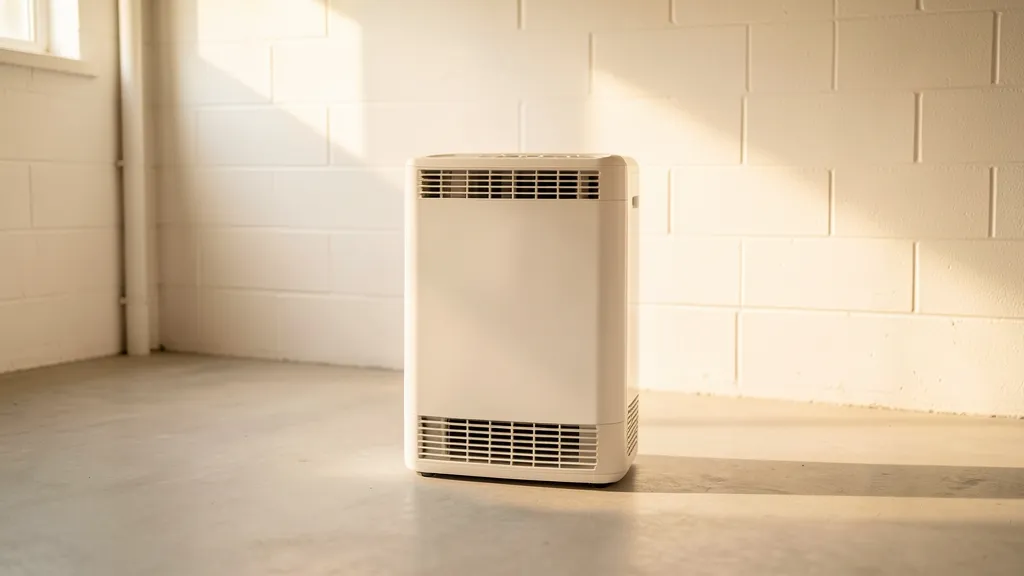
Mold isn’t just an eyesore—it’s a biological process fueled by moisture, warmth, and the right food sources. In our coastal climate, homes in areas like Belleair Beach, Belleair Shores, and Indian Rocks Beach face unique pressures that accelerate growth. Understanding the science behind it is the first step to effective prevention and remediation.
What Fuels Mold Growth in Your Home
Mold is a fungus, and like all fungi, it thrives in environments with three key ingredients: moisture, a food source, and the right temperature range (typically 77–86°F).
In our region, high humidity—especially during Florida’s long, wet summers—provides the perfect breeding ground. Even indoor humidity above 60% can trigger spores to germinate on organic materials like drywall, wood, or insulation.
How Moisture Enters Coastal Homes
Moisture intrusion isn’t always obvious. Leaky roofs, poor ventilation in attics, or condensation in crawl spaces can create hidden pockets of dampness. In Belleair Beach, salt air and frequent storms exacerbate the issue.
Even everyday activities—cooking, showering, or running the dishwasher—add moisture to the air. Without proper ventilation or dehumidification, that moisture settles into porous surfaces, inviting mold colonies to take hold.
Mold can grow undetected behind walls, under flooring, or in HVAC ducts. By the time you see or smell it, the problem may already be widespread.
The Role of Spores and Organic Substrates
Mold reproduces via microscopic spores, which are always present in the air. When spores land on a damp, organic surface—like drywall, carpet, or wood—they begin to feed and grow.
Cellulose-rich materials (paper, cardboard, wood) are prime targets. In attics or basements, dust and debris provide additional nutrients, accelerating colonization.
Coastal Climate: A Mold Accelerant
Belleair Beach’s proximity to the Gulf means higher humidity year-round, with dew points often in the 70s. This persistent moisture, combined with warm temperatures, creates ideal conditions for mold.
Storms and flooding—common in Pinellas County—introduce sudden, large-scale moisture events. Even minor water damage, if not addressed within 24–48 hours, can lead to mold outbreaks in Clearwater Beach, Largo, or nearby areas.
Mold vs. Mildew: Key Differences
While often used interchangeably, mold and mildew are distinct. Mildew is a surface-level fungus, typically white or gray, and easier to clean. Mold penetrates deeper, often appearing black, green, or blue, and requires professional remediation.
Mildew thrives on flat surfaces like shower walls, while mold infests porous materials, compromising structural integrity. Both signal excess moisture, but mold poses greater health and property risks.
| Characteristic | Mold | Mildew |
|---|---|---|
| Appearance | Fuzzy or slimy; black, green, blue, or red | Powdery or fluffy; white or gray |
| Growth Depth | Penetrates surfaces (wood, drywall, insulation) | Stays on surface (tiles, glass, fabric) |
| Health Impact | Can produce mycotoxins; may trigger allergies or respiratory issues | Less harmful; may cause mild irritation |
| Removal | Often requires professional mold remediation | Can usually be cleaned with bleach or vinegar |
Common Mold Hotspots in Local Homes
In our area, attics are prime targets due to poor ventilation and roof leaks. Crawl spaces, especially in older homes in Belleair Shores or Largo, often suffer from ground moisture seeping in.
Bathrooms, kitchens, and laundry rooms are high-risk due to frequent moisture exposure. Even HVAC systems can harbor mold if not properly maintained, circulating spores throughout the home.
Top Areas to Inspect for Mold
- Attics (check for roof leaks or condensation)
- Crawl spaces and basements (look for standing water or damp insulation)
- Bathrooms (inspect grout, caulk, and under sinks)
- HVAC systems (examine ducts and drip pans)
- Behind appliances (refrigerators, washing machines, dishwashers)
- Under carpets or padding (especially after flooding)
The Health Implications of Indoor Mold
Exposure to mold can trigger a range of health issues, from mild allergic reactions (sneezing, itchy eyes) to severe respiratory problems, especially in individuals with asthma or weakened immune systems.
Certain molds, like Stachybotrys (black mold), produce mycotoxins that may cause neurological symptoms or long-term health effects. Infants, the elderly, and pets are particularly vulnerable.
If you or your family experience unexplained symptoms like chronic coughing, headaches, or skin irritation, consider a professional mold inspection and air quality testing.
Prevention: Breaking the Mold Growth Cycle
Controlling moisture is the most effective way to prevent mold. Use dehumidifiers in high-risk areas, ensure proper ventilation in bathrooms and kitchens, and fix leaks promptly.
Regularly inspect your home for signs of water damage or condensation. In coastal climates like ours, proactive moisture control—such as vapor barriers in crawl spaces or attic fans—can make all the difference.
How to Conduct a Basic Mold Inspection at Home
While professional mold testing is the gold standard, you can perform a preliminary check for common signs of trouble.
- 1Check for Visible Mold
Look for discoloration or fuzzy growth on walls, ceilings, or under sinks. Pay special attention to areas with past water damage.
- 2Follow Your Nose
Mold often has a musty, earthy odor. If you smell it but can’t see it, the source may be hidden behind drywall or under flooring.
- 3Inspect for Water Damage
Look for stains, peeling paint, or warped surfaces—these are red flags for moisture issues that can lead to mold.
- 4Test for Humidity
Use a hygrometer to measure indoor humidity. Levels above 60% require action, such as running a dehumidifier or improving ventilation.
- 5Examine Ventilation
Ensure exhaust fans in bathrooms and kitchens vent outside, not into attics. Poor airflow traps moisture indoors.
- 6Document Findings
Take photos and notes of any suspect areas. This helps professionals like our team assess the scope during a formal mold inspection or air quality test.
Frequently Asked Questions
Why is mold more common in Belleair Beach homes than in drier climates?
Our coastal climate combines high humidity, warm temperatures, and frequent rainfall—all of which create ideal conditions for mold spores to germinate and spread. Homes near the water, like those in Belleair Beach or Clearwater Beach, also face salt air corrosion, which can compromise building materials and allow moisture to seep in.
Can I remove mold myself, or do I need a professional?
Small, surface-level mold (like mildew in a shower) can often be cleaned with proper safety gear and EPA-approved solutions. However, for mold covering more than 10 square feet, or if it’s in HVAC systems, crawl spaces, or attics, professional mold remediation is strongly recommended to ensure thorough removal and prevent recurrence.
How does mold testing work, and when is it necessary?
Mold testing involves collecting air or surface samples to identify the type and concentration of mold spores. It’s necessary when mold is suspected but not visible, after water damage, or if occupants experience unexplained health symptoms. Air quality testing can also confirm whether remediation was successful.
What’s the difference between mold remediation and mold removal?
Mold removal refers to physically eliminating mold from surfaces. Mold remediation is a comprehensive process that includes removal, cleaning, sanitizing, and addressing the moisture source to prevent regrowth. Remediation also involves containment to prevent spores from spreading during the process.
Does homeowners insurance cover mold damage in Florida?
Coverage varies by policy. Most standard policies cover mold damage if it’s a direct result of a ‘covered peril,’ like a burst pipe. However, they often exclude mold caused by long-term humidity, flooding, or poor maintenance. Review your policy or consult your insurer, and always document the cause of the mold.
How can I prevent mold in my vacation home in Belleair Shores?
Vacation homes are especially vulnerable due to periods of inactivity. Use smart dehumidifiers with remote monitoring, ensure proper ventilation, and have a trusted local service perform regular inspections. Consider a professional moisture control system if the home is unoccupied for extended periods.