How Proper Humidity Control Stops Mold from Returning in Belleair Beach
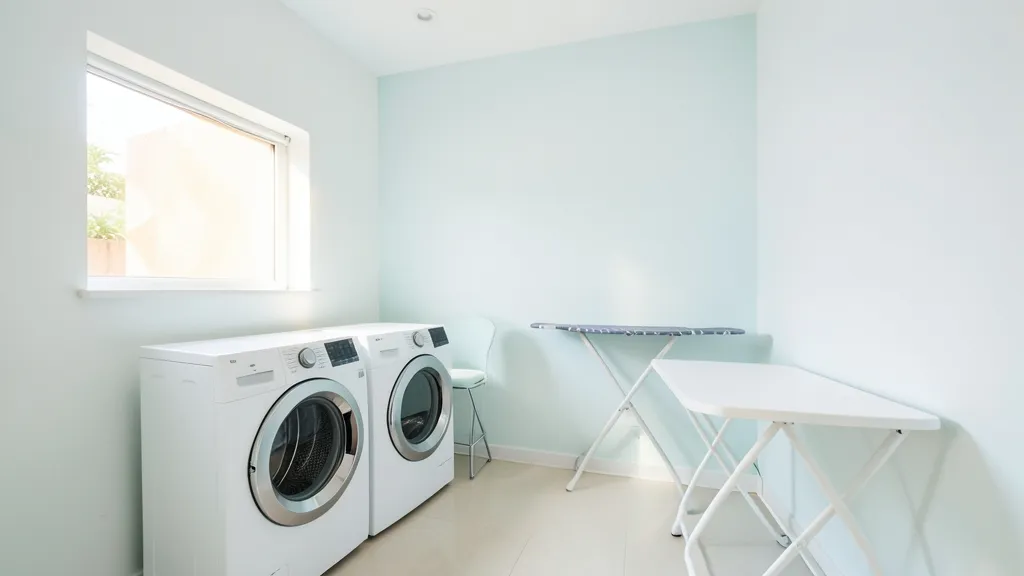
Belleair Beach’s coastal climate keeps humidity high year-round, creating the perfect breeding ground for mold. Without controlled moisture levels, mold remediation can fail as spores regroup and spread. We’ll show you how to break the cycle for good.
Why Humidity Fuels Mold Growth in Coastal Florida
Mold thrives in environments where relative humidity exceeds 60%. In Belleair Beach, the Gulf’s moisture-laden air pushes indoor levels even higher, especially during summer.
Porous materials like drywall, insulation, and wood absorb that moisture, feeding mold spores that are always present. Without intervention, colonies can form within 24–48 hours of water exposure.
The Hidden Moisture Sources in Your Home
Leaky pipes, poor ventilation, and even daily activities like cooking or showering add moisture. In older homes near Belleair Shores or Indian Rocks Beach, aging HVAC systems often struggle to dehumidify effectively.
Condensation on windows or in attics signals excess humidity. Crawl spaces without vapor barriers are another hotspot—ground moisture evaporates upward, saturating joists and subflooring.
Humidity Control Methods: What Actually Works
Portable dehumidifiers are a start, but whole-home systems integrated with HVAC are far more reliable. Look for units rated for 30–50 pints/day in our climate.
Ventilation upgrades, like exhaust fans in bathrooms and kitchens, remove moisture at the source. In attics, ridge vents and soffit vents prevent heat and humidity buildup that leads to mold in Clearwater Beach and Largo homes.
| Method | Effectiveness | Best For | Maintenance |
|---|---|---|---|
| Whole-home dehumidifier | High | Entire house, high-humidity areas | Filter changes, annual servicing |
| Portable dehumidifier | Moderate | Single rooms, small spaces | Daily emptying, frequent filter cleaning |
| HVAC with dehumidification | High | Homes with ductwork | Regular HVAC maintenance |
| Exhaust fans | Moderate | Bathrooms, kitchens | Cleaning, occasional replacement |
| Vapor barriers | High | Crawl spaces, basements | Inspection for tears or gaps |
Critical Areas for Humidity Control in Belleair Beach Homes
Attics often trap heat and moisture, especially in older homes. Without proper ventilation, mold can spread across rafters and insulation, requiring costly attic mold remediation.
Crawl spaces are another high-risk zone. A sealed vapor barrier on the ground, combined with a dehumidifier, can prevent the ground moisture that fuels mold growth beneath your home.
Even in Florida, basements and low-lying areas in homes near Largo or Clearwater Beach can develop mold if humidity isn’t controlled. A sump pump alone won’t fix a moisture problem.
Signs Your Humidity Control Isn’t Working
Musty odors are the first red flag. If you smell it, mold is likely already present. Visible condensation on windows or walls is another sign your home’s humidity is too high.
Peeling paint or warped wood flooring can indicate prolonged moisture exposure. If you notice these, schedule a mold inspection and air quality testing before the problem worsens.
Long-Term Strategies to Keep Mold from Returning
Regular HVAC maintenance is non-negotiable. Clogged filters or ductwork can trap moisture and spread spores. We recommend bi-annual checkups, especially before the humid summer months.
Sealing gaps around windows, doors, and foundation cracks prevents outdoor humidity from seeping in. In coastal areas like Belleair Beach, this also helps against salt air, which can accelerate corrosion and moisture issues.
Closed-cell spray foam insulation resists moisture and improves energy efficiency. It’s a smart investment for homes prone to humidity issues in Pinellas County.
When to Call in the Pros for Mold Remediation
If you’ve addressed humidity but still see mold, it’s time for professional remediation. DIY solutions often miss hidden colonies in walls, under flooring, or in HVAC systems.
Our team uses containment barriers, HEPA filtration, and antimicrobial treatments to ensure mold is fully removed—not just bleached. We also identify the root moisture source to prevent recurrence.
Red Flags That Require Professional Mold Remediation
- Mold covering an area larger than 10 square feet
- Mold in HVAC ducts or vents
- Recurring mold after cleaning
- Health symptoms like allergies or respiratory issues
- Mold in hard-to-reach areas (inside walls, under flooring)
How to Test Your Home’s Humidity Levels
A simple hygrometer can reveal if your home is at risk for mold growth.
- 1Get a Hygrometer
Purchase a digital hygrometer (under $20) for accurate readings. Avoid analog models, which can be less reliable.
- 2Take Readings in Key Areas
Check humidity in the attic, crawl space, bathrooms, and near windows. Note readings at different times of day.
- 3Compare to Ideal Levels
Aim for 30–50% relative humidity indoors. Anything above 60% for prolonged periods increases mold risk.
- 4Monitor Over Time
Track readings for a week to identify patterns. Spikes after rain or high outdoor humidity may indicate poor sealing or ventilation.
- 5Act on the Data
If levels stay high, implement dehumidifiers, ventilation upgrades, or moisture barriers. For persistent issues, consult a mold remediation expert.
Frequently Asked Questions
How often should I run a dehumidifier in Belleair Beach?
In our climate, running a dehumidifier continuously during humid months (May–October) is ideal. Set it to maintain 45–50% humidity. In winter, use it as needed based on readings.
Can high humidity cause mold even without water damage?
Absolutely. Mold spores only need moisture and organic material to grow. Chronic high humidity provides enough moisture for colonies to form on walls, ceilings, and furniture—no leak required.
What’s the difference between mold remediation and mold removal?
Mold removal is the physical act of cleaning or discarding moldy materials. Remediation goes further: it includes containment, air filtration, and addressing the moisture source to prevent mold from returning.
Are there mold-resistant building materials for humid climates?
Yes. Mold-resistant drywall (like paperless or fiberglass-faced), closed-cell insulation, and treated wood can help. These are worth considering for renovations or new builds in Belleair Beach.
Does air conditioning help control humidity?
AC units do remove some moisture, but they’re designed for cooling, not dehumidification. In very humid conditions, they may not lower humidity enough to prevent mold. A dedicated dehumidifier is often necessary.
How do I know if my crawl space needs a vapor barrier?
If your crawl space has a dirt floor, visible moisture, or musty smells, it likely needs a vapor barrier. Even in Florida, crawl spaces without barriers can trap ground moisture, leading to mold and structural damage.