Why HEPA Air Scrubbers Are Essential for Mold Remediation in Belleair Beach
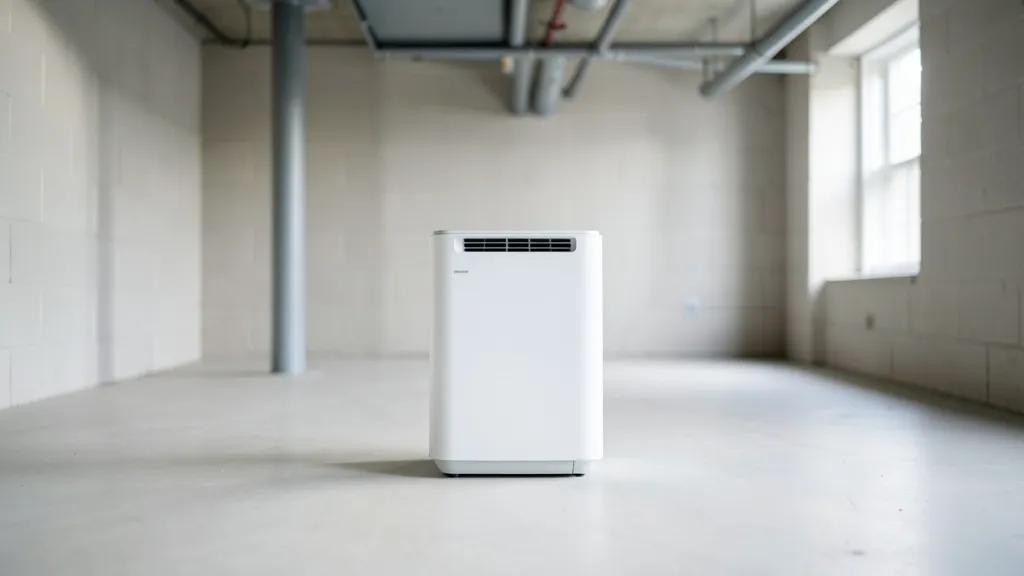
Mold doesn’t just stain walls—it pollutes the air. In our humid Florida climate, spores spread fast, making HEPA air scrubbers a non-negotiable tool in professional remediation. We use them to capture microscopic threats and restore indoor air quality safely.
How Mold Spores Spread in Coastal Florida Homes
Belleair Beach’s warm, moist air is a spore superhighway. Even a small leak in Largo or a damp crawl space in Indian Rocks Beach can unleash thousands of spores into living spaces.
Without containment, HVAC systems can distribute spores to every room. That’s why we isolate work zones and deploy HEPA air scrubbers before disturbing mold.
What HEPA Air Scrubbers Actually Do
HEPA (High-Efficiency Particulate Air) scrubbers trap 99.97% of particles as small as 0.3 microns—including mold spores, mycotoxins, and dust. They don’t just mask odors; they remove contaminants at the source.
During remediation, we run scrubbers continuously to maintain negative air pressure. This prevents spores from escaping the containment area into clean zones of your home.
A properly sealed containment with HEPA scrubbers creates a vacuum effect, pulling air—and spores—into the filter, not your living room.
HEPA vs. Standard Air Purifiers: The Remediation Difference
Consumer-grade purifiers lack the airflow and filtration capacity for active remediation. HEPA scrubbers are industrial-strength, designed for high-volume, high-contaminant environments.
| Feature | HEPA Air Scrubber | Standard Air Purifier |
|---|---|---|
| Filtration Efficiency | 99.97% at 0.3 microns | Varies (often 99% at 2-5 microns) |
| Airflow Capacity | High (500-2000 CFM) | Low to Moderate (100-400 CFM) |
| Containment Use | Built for sealed zones | Not designed for containment |
| Runtime for Remediation | flexible during project | Intermittent use |
| Portability | Heavy-duty, wheel-mounted | Lightweight, plug-and-play |
Where We Deploy HEPA Scrubbers in Local Homes
Attic mold remediation in Clearwater Beach often requires scrubbers to prevent spores from raining down into living areas. The same goes for crawl spaces in Belleair Shores, where humidity and poor ventilation breed colonies.
After water damage in Largo, we use scrubbers alongside dehumidifiers. Mold can start growing within 24–48 hours, so we act fast to halt spore dispersal.
Running a HEPA scrubber without proper containment is like vacuuming with the windows open. Spores will still spread.
The Role of Air Scrubbers in the Full Remediation Process
We start with a mold inspection and air quality testing to assess spore levels. Scrubbers then run from the first cut of drywall to the final clearance test.
Post-remediation, we often recommend HEPA filtration for ongoing protection, especially in homes with chronic moisture issues or after major water damage restoration.
Maintenance and Filter Replacement: Non-Negotiable for Effectiveness
HEPA filters clog with spores, dust, and debris. We monitor pressure gauges and replace filters per manufacturer specs—usually every 6–12 months in heavy-use scenarios.
A dirty filter doesn’t just lose efficiency; it can become a spore reservoir. That’s why we track usage hours and swap filters before they compromise air quality.
Common Misconceptions About Air Scrubbers and Mold
Myth: ‘An air purifier alone can fix my mold problem.’ Reality: Purifiers help with airborne spores but won’t address the source. Remediation requires physical removal of colonies, moisture control, and often structural repairs.
Myth: ‘HEPA scrubbers are only for big jobs.’ Reality: Even small attic or basement mold remediation projects benefit from scrubbers to prevent cross-contamination.
How to Support HEPA Air Scrubber Use During Remediation
While we handle the technical work, you can help maximize effectiveness and safety.
- 1Clear the Work Zone
Remove pets, plants, and personal items from the containment area. This prevents spore attachment and simplifies cleanup.
- 2Seal Off HVAC Vents
Turn off your HVAC system in the affected area. We’ll use plastic sheeting to seal vents and ducts to stop spore spread.
- 3Avoid Disturbing Mold
Don’t touch or attempt to clean moldy areas yourself. Disturbing colonies releases more spores into the air.
- 4Maintain Low Humidity
Use dehumidifiers in unaffected areas to keep humidity below 50%. This slows spore growth and supports the remediation process.
- 5Allow Full Runtime
Keep scrubbers running undisturbed. Opening containment or turning off equipment can reverse progress and prolong the project.
Frequently Asked Questions
How long do HEPA air scrubbers need to run during mold remediation in Belleair Beach?
We run scrubbers continuously from setup through the final clearance test—typically 3 to 7 days, depending on the severity and size of the infestation. The goal is to maintain negative air pressure and capture spores released during removal.
Can I use a HEPA air scrubber myself for mold in my attic?
HEPA scrubbers are a tool, not a solution. Without proper containment, PPE, and remediation protocols, you risk spreading spores further. We recommend professional mold remediation, especially for attics and crawl spaces where colonies can be extensive.
Do HEPA air scrubbers remove mold odors?
Yes, but indirectly. Scrubbers capture the spores and mycotoxins that cause musty smells. However, odors may linger if porous materials (like drywall or insulation) are still contaminated. Those often need removal and replacement.
Are HEPA air scrubbers effective for black mold in Clearwater Beach homes?
Yes. HEPA filtration captures Stachybotrys (black mold) spores just as effectively as other types. But remember: scrubbers are part of the process. Full remediation requires removing the source, drying the area, and addressing moisture to prevent regrowth.
What’s the difference between air scrubbers and dehumidifiers in mold remediation?
Air scrubbers clean the air by trapping spores and particles. Dehumidifiers remove moisture, which is critical because mold can’t grow without it. We use both together: scrubbers for air quality, dehumidifiers for moisture control.
Will HEPA air scrubbers prevent future mold growth in my Belleair Beach home?
Scrubbers help maintain clean air post-remediation, but prevention depends on controlling moisture. We recommend fixing leaks, improving ventilation (especially in crawl spaces and attics), and monitoring humidity levels year-round.